Phillip Starke

A better way to change: how small teams drive big transformations
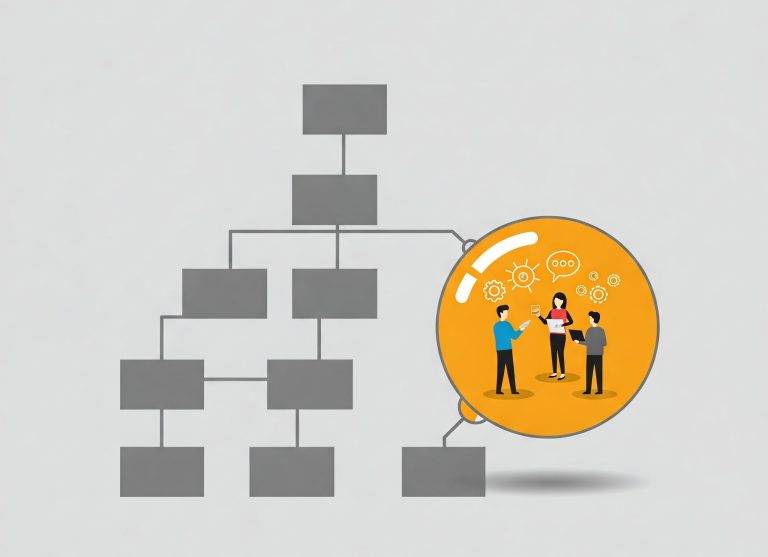
Companies pour millions into transformation projects, only to end up with a frustrated workforce and no change. Starting small is better.
Phillip Starke
Companies pour millions into transformation projects, only to end up with a frustrated workforce and no change. Starting small is better.

It can be difficult to get buy-in from the team members for a new approach like Scrum. The most effective way to create an open mind is showing what is in it for them. Making the daily work of the team easier and building a relationship on eye level are the key. These eight best practices are aimed at doing exactly that.

5 ways to deal with the challenge of attempting to establish a Scrum team (actually any new team) within an existing organization.

Although the big hype around Objectives and Key Results (OKRs) from a few years ago seems to have receded a bit, many companies still deploy OKRs to manage their organization. Many seem to consider this the “agile” way to set…

Roadmaps are ubiquitous. Everybody working in product development has encountered one. If you are a project manager, product owner, or product management professional you probably maintain one that you are using regularly to communicate timelines, priorities, and strategy. Also, you are likely unable to predict the future.

Whenever I work with teams in product development, I have two main goals: create value for the user and make sure the team is happy. Though there are many more, I honestly believe that a happy team and value for the user are by far the most important. Everything else is downstream from those two.

A product vision is of paramount importance. This seems to be a given. You can find a lot of material that simply states this as fact without explaining why this is the case. Many write about what a vision is and plenty of folks provide frameworks or methods for creating a product vision. However, rarely do they explain why the product vision is needed, what the reasons are for creating one. It seems to simply be assumed that everybody already knows. Why is it so important?

Don´t get me wrong, many software tools are fantastic products. I use a wide variety daily. However, I feel like their impact is overvalued. Or maybe, to put it better, I think they are misused. Far too often is some new license for a tool purchased because “we are not meeting our targets”. The hope is then that the tool magically solves everything. Spoiler alert: It doesn't.

Now that the intense part of the corona pandemic is over (fingers crossed), companies and teams are transitioning to a permanent new normal, and figuring out how to do so. Thus, now is a good time to write down some thoughts on how to deal with the effects of remote work, specifically on company culture.