Phillip Starke

A three leveled approach to being a product owner
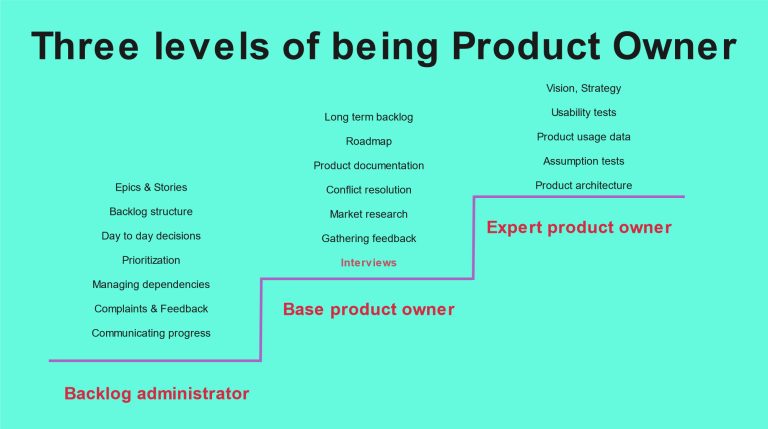
Many do not fulfill the potential of the Product Owner Role. Thinking about the role in three levels of being a product owner can help create a path for growth.
Phillip Starke
Many do not fulfill the potential of the Product Owner Role. Thinking about the role in three levels of being a product owner can help create a path for growth.

A source of frustration for product teams is a lack of direction from management. To overcome this you need to take on extra responsibility.
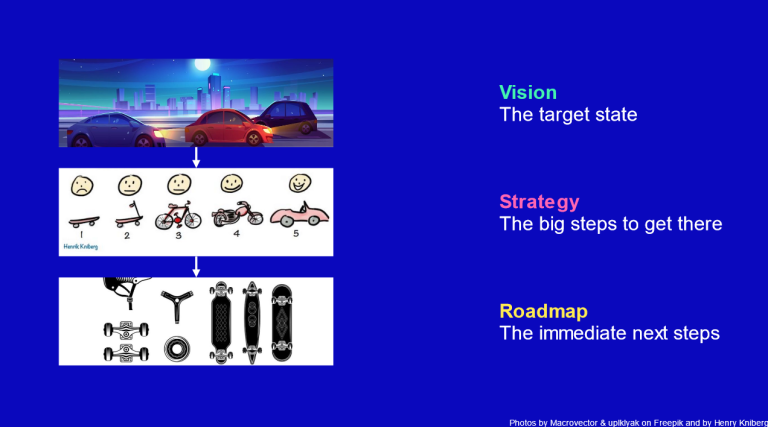
Why do you need a product strategy, what is it, and how do you create one? I answer those questions and share a strategy we recently created.

Although the big hype around Objectives and Key Results (OKRs) from a few years ago seems to have receded a bit, many companies still deploy OKRs to manage their organization. Many seem to consider this the “agile” way to set…

Sometimes you come across a book at just the right time. The content immediately makes sense and you cannot stop reading. This happened to me when I recently read Inspired by Marty Cagan.

The Seven Habits of Highly Effective People by Stephen Covey is probably the book that had the most overall impact on my life. Other impactful books mostly touched my professional life. This one not only did that, but also changed my life outside of work. It impacted my character.

To me, there seem to be six characteristics that describe any well crafted product vision. Many more exist but the following stand out to me in describing what a compelling vision is.

A product vision is of paramount importance. This seems to be a given. You can find a lot of material that simply states this as fact without explaining why this is the case. Many write about what a vision is and plenty of folks provide frameworks or methods for creating a product vision. However, rarely do they explain why the product vision is needed, what the reasons are for creating one. It seems to simply be assumed that everybody already knows. Why is it so important?

All companies know their What. It is what they are offering, the services and products they are selling. Some companies know their How. It is how they are building and offering their products and services, their values, their culture. The how is often also called Unique Value Proposition (USP). Only the rarest of companies are able to actually say Why they are doing what they are doing, what the real motivation is, what their purpose is